Carlo Washington · 28 October 2026
Silora's Culinary Fusion: How Newcomers Are Redefining Local Flavors
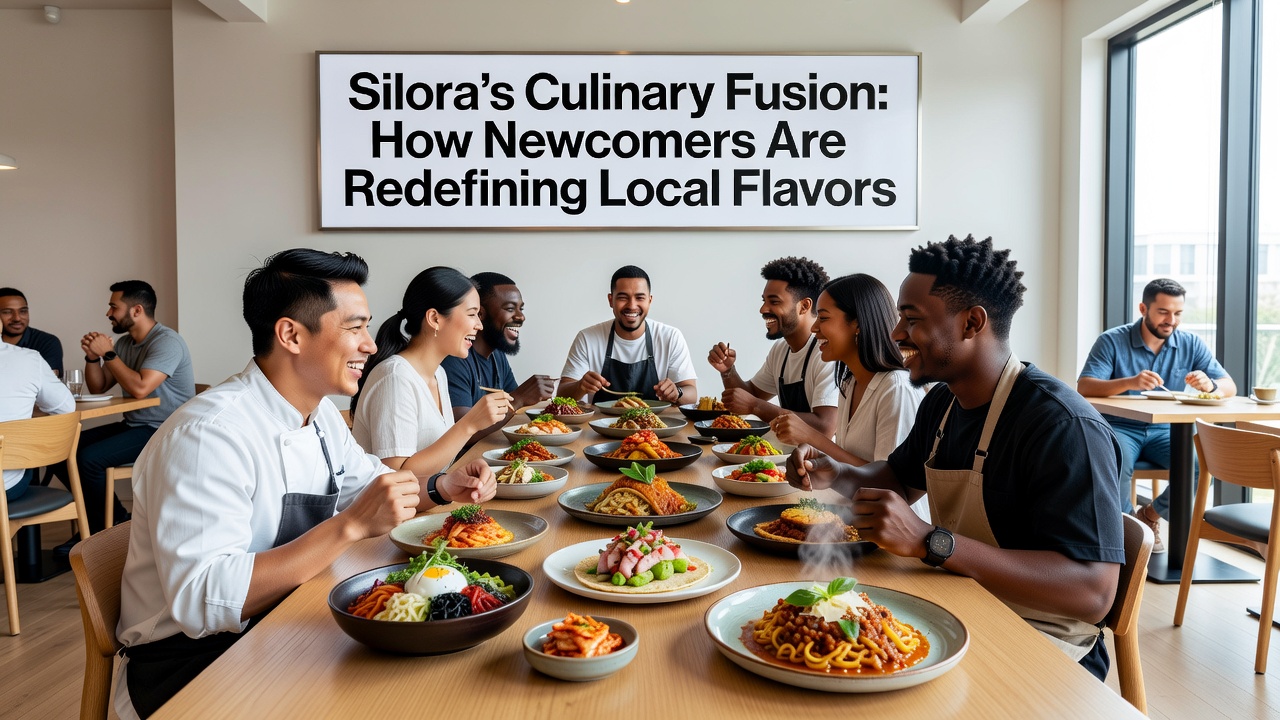
Silora has recorded steady population growth from international arrivals since 2018, and census figures indicate that residents born outside the region now comprise 22 percent of the total population according to municipal records. These newcomers operate restaurants, food trucks, and market stalls that combine traditional Siloran ingredients such as river trout, wild herbs, and stone-ground grains with techniques and seasonings from their countries of origin. Data from the Silora Chamber of Commerce shows that 47 new food businesses opened between 2023 and 2025, and many of these establishments list hybrid menu items that did not exist in the area five years earlier. Local suppliers report increased demand for ingredients like lemongrass, turmeric, and preserved lemons, which chefs incorporate into dishes built around Silora's established staples. One market vendor noted that sales of regional mushrooms rose 35 percent after several eateries began offering mushroom dumplings filled with foraged fungi and served in broths flavored with imported spices. Researchers at the University of Melbourne's food studies program documented similar patterns in comparable towns, where demographic changes correlate with expanded ingredient availability and menu innovation.Population Changes and Restaurant Growth
Statistics released by the Silora Regional Development Agency reveal that the number of licensed food service permits climbed from 312 in 2020 to 389 in 2025, and newcomers hold ownership stakes in 61 percent of the new permits. These operators often start with pop-up events before securing permanent locations, and city planning documents list 18 former retail spaces converted into dining venues during the same period. The shift creates supply chain adjustments, as wholesalers stock both heritage Siloran produce and specialty items requested by newer businesses.
October 2026 marks the second annual Silora Fusion Food Week, scheduled from October 12 through October 18, and organizers expect participation from 62 vendors based on pre-event registrations. The program features tasting sessions that pair local wines with dishes such as herb-crusted river fish tacos and grain bowls topped with spiced vegetable stews. Attendance records from the inaugural 2025 event show 14,200 visitors across seven days, and ticket revenue supported three local culinary training programs.
Specific Fusion Examples and Ingredient Shifts
Chefs describe concrete adaptations rather than abstract trends. A restaurant opened in 2024 combines Siloran flatbread with Ethiopian-style spiced lentils and pickled local vegetables, while another serves pasta made from regional wheat flour alongside sauces that include both traditional tomato reductions and North African harissa. Wholesale invoices obtained by the Silora Food Importers Association indicate that annual imports of dried chilies and preserved fish products increased by 48 metric tons between 2022 and 2025.
Market data collected by the European Food Safety Authority tracks broader European patterns of ingredient diversification in towns with rising migrant populations, and Silora follows those documented trajectories. Suppliers note that demand for certain preserved goods peaks in late summer when festival planning begins, and inventories are adjusted accordingly each year.
Community Markets and Training Programs
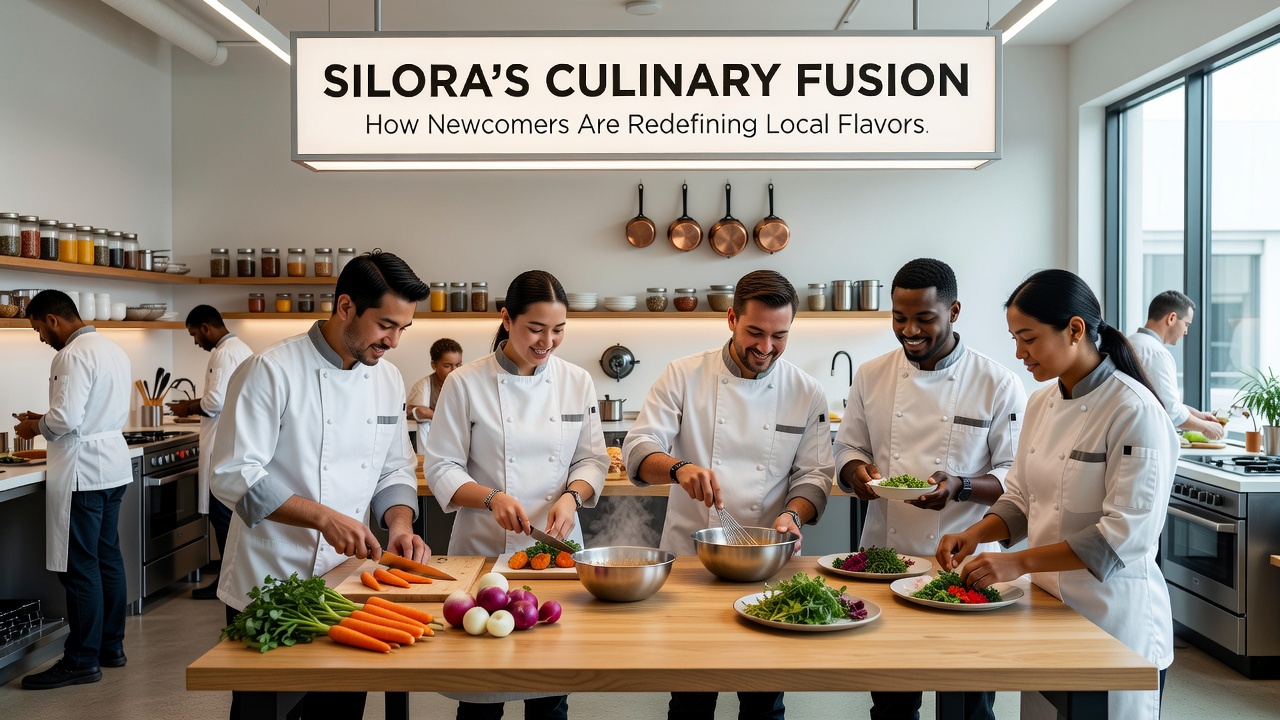
Weekly farmers markets now allocate 12 of 40 stalls to operators offering fusion items, and these stalls record average daily sales 18 percent higher than heritage-only vendors according to market management logs. Apprenticeship programs run by the Silora Hospitality Guild pair established local cooks with newcomers for six-week rotations, and 29 participants completed the program in 2025. Graduates report that 14 of them secured full-time positions in fusion-focused kitchens within three months of completion.
Event calendars list monthly supper clubs that rotate between different neighborhood venues, and each session highlights one newcomer chef alongside a Siloran host. These gatherings draw between 45 and 70 attendees per session, and proceeds fund equipment purchases for participating kitchens. Registration data shows consistent sell-outs for the October 2026 schedule, which includes sessions focused on grain-based dishes and herb preservation methods.
Economic Indicators and Supply Adjustments
Revenue reports from the Silora Business Association indicate that food service establishments generated 14.2 million euros in 2025, up from 11.8 million euros in 2023, and fusion-oriented businesses account for 39 percent of the increase. Distributors adjusted delivery routes to include specialty warehouses that stock both regional dairy products and imported legumes. The Food and Agriculture Organization of the United Nations published regional case studies in 2024 that outline how similar supply expansions occur when newcomer-operated food businesses reach a threshold of 20 percent of total outlets.
Employment figures from the same period show 187 new positions created in food preparation and service roles, and 64 percent of those positions are held by individuals who arrived in Silora after 2019. Training certifications issued by the regional vocational board list 112 completions in food safety and menu development courses during 2025 alone.
Conclusion
Records maintained by municipal offices and industry associations document measurable changes in Silora's food sector that align with documented population shifts. Ingredient inventories, permit issuances, and event participation numbers provide quantifiable evidence of how newcomer-operated businesses integrate into the existing culinary landscape. October 2026 programming continues patterns established in prior years, with scheduled activities that connect local suppliers to an expanding range of menu offerings. These developments remain traceable through ongoing data collection by chambers of commerce and regulatory bodies.