Ellis Wagner · 14 October 2026
Silora's Cycling Clubs Organize Charity Rides to Fund Trail Maintenance Projects
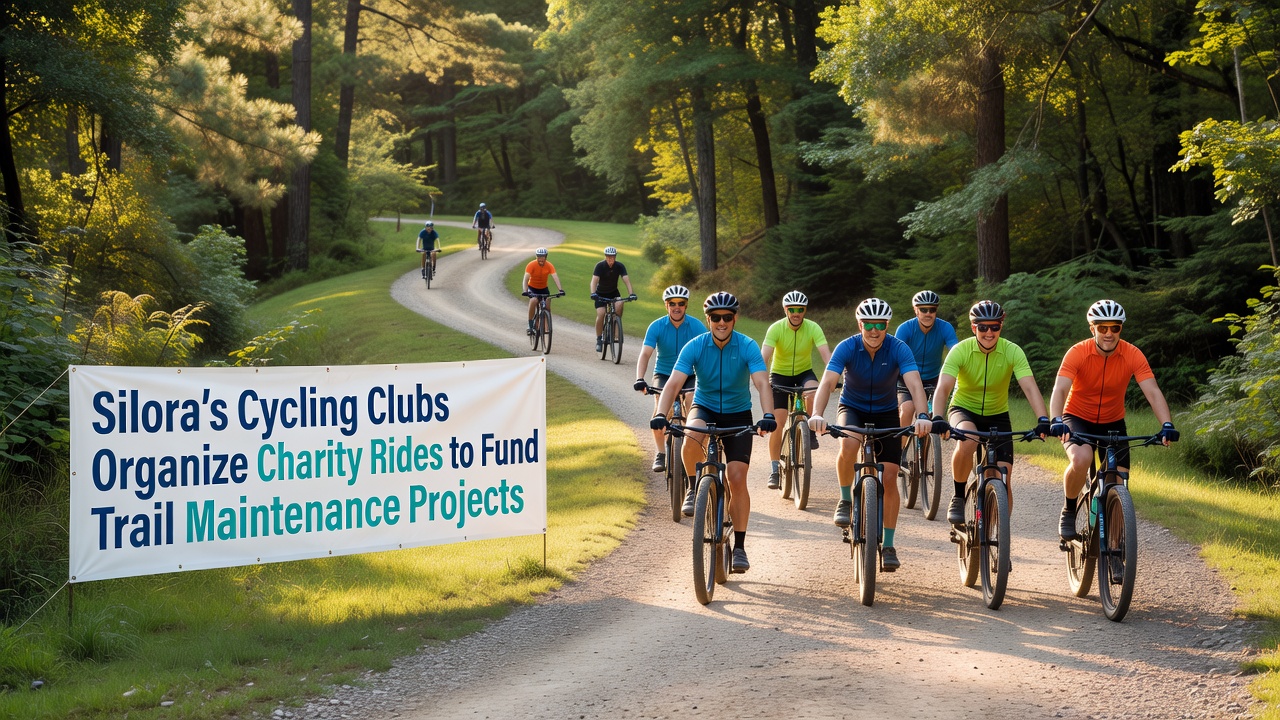
Silora's cycling clubs have coordinated multiple charity rides that direct proceeds toward trail maintenance across local networks, and these initiatives connect riders with land managers who handle repairs on paths used for both recreation and commuting. Clubs such as the Silora Wheelmen and Valley Spokes formed partnerships with regional trail authorities beginning in 2023, while events expanded in scale through 2025 and now include routes that traverse forested sections and riverside corridors. Data from club records shows participation numbers rising from 180 riders in the first organized ride to over 650 in the most recent season, and funds collected support gravel resurfacing, bridge reinforcement, and signage updates.
Event Structure and Route Planning
Organizers schedule rides on weekends when weather patterns favor steady turnout, and routes range from 25-kilometer loops for newer participants to 80-kilometer circuits that challenge experienced cyclists. Each event incorporates rest stops where volunteers distribute water and nutrition while collecting additional donations through raffles and merchandise sales. Route maps receive approval from municipal planning offices to avoid sensitive ecological zones, and GPS tracking allows real-time monitoring of group progress along maintained paths. October 2026 events will feature two separate starts from central Silora plazas, with one ride heading north toward the ridge trails and the other following the river corridor south.
Fund Allocation and Project Outcomes
Revenue from registration fees, sponsorships, and on-site auctions flows directly to contracted maintenance crews who prioritize high-traffic segments identified through annual usage surveys. In 2025, collected amounts exceeded 42,000 euros and covered replacement of three timber footbridges plus installation of drainage systems that reduce erosion during heavy rainfall periods. Crews document completed work with before-and-after photographs that clubs share in post-event reports, and those records indicate average trail surface improvements lasting 18 to 24 months before follow-up interventions become necessary. Observers note that coordinated funding reduces reliance on general municipal budgets, freeing resources for other infrastructure needs.
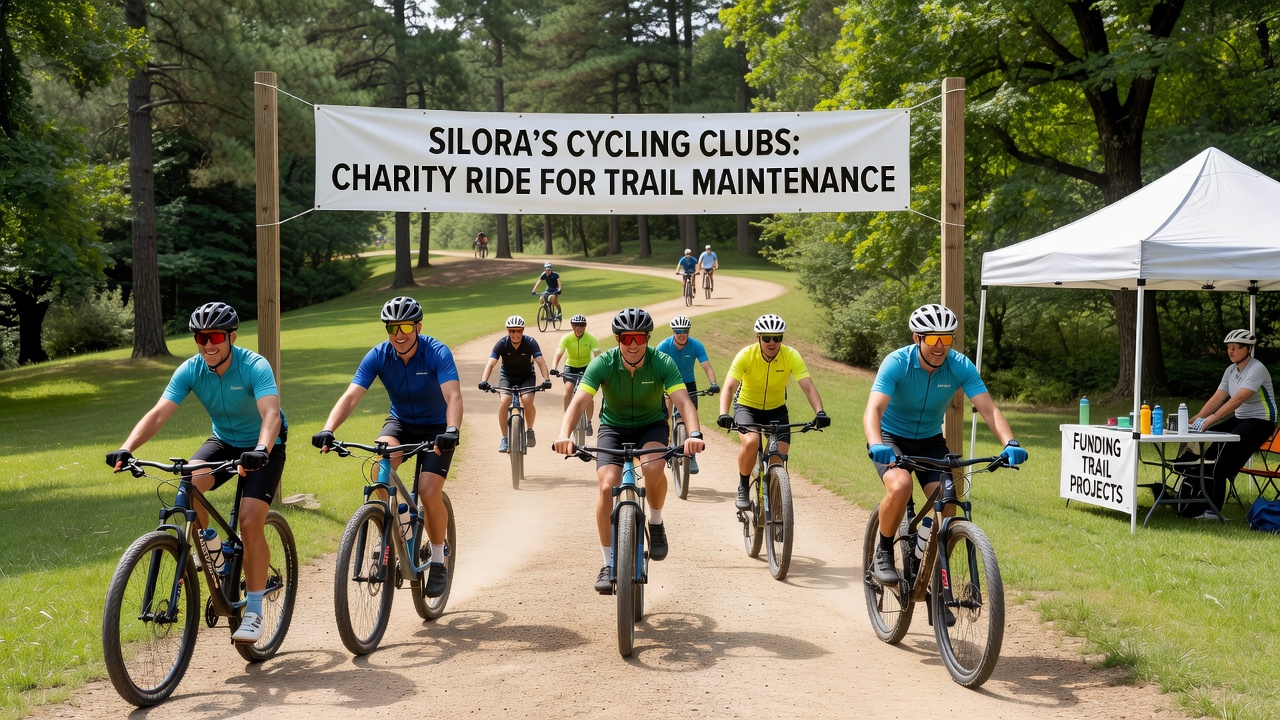
One maintenance team that received support last season completed widening of a popular switchback section after repeated complaints about congestion during peak hours, and similar projects now appear on a prioritized list maintained jointly by clubs and parks staff. Equipment purchases funded through these drives include compactors and trail rakes that crews use year-round rather than seasonally. Participation data from the Silora Regional Trails Authority indicates that maintained sections experience 30 percent fewer user-reported incidents compared with untreated segments.
Partnerships with Broader Organizations
Local clubs maintain affiliations with International Mountain Bicycling Association guidelines that emphasize sustainable trail design, and these standards guide project selection each funding cycle. Additional collaboration occurs with Parks Canada trail programs that supply technical assessments on erosion control techniques adapted for similar terrain conditions. Clubs also coordinate with municipal youth programs to recruit volunteers for lighter maintenance tasks such as litter removal, creating pathways for younger residents to engage with land stewardship practices.
Community Reach and Future Scheduling
Registration systems allow riders to select contribution tiers that determine event T-shirt designs and post-ride meal options, and families often register together to increase overall donation totals. Schools near popular trailheads receive invitations to host information sessions that explain how ride proceeds translate into safer passage for students who bike to classes. October 2026 calendars list four distinct rides spaced two weeks apart, each targeting different trail clusters to distribute maintenance coverage evenly. Club treasurers publish quarterly updates that list exact expenditures alongside photographs of completed work, and these reports remain accessible through club websites for public review.
Conclusion
Trail networks around Silora continue to benefit from recurring charity rides that channel rider contributions into targeted repairs and upgrades, and ongoing coordination between clubs, authorities, and volunteers sustains the cycle of funding and maintenance. Records kept by participating organizations document steady progress on path conditions while participation figures reflect growing community involvement in these efforts.