Carlo Washington · 30 September 2026
Silora's Mentorship Initiatives Connect Elders with Youth on Sustainable Agriculture Techniques
Silora has developed structured mentorship programs that pair experienced elders with younger residents to transfer knowledge on sustainable agriculture techniques, and these efforts have gained momentum as local farms adapt to changing environmental conditions while maintaining productivity across the region.
Program Origins and Structure
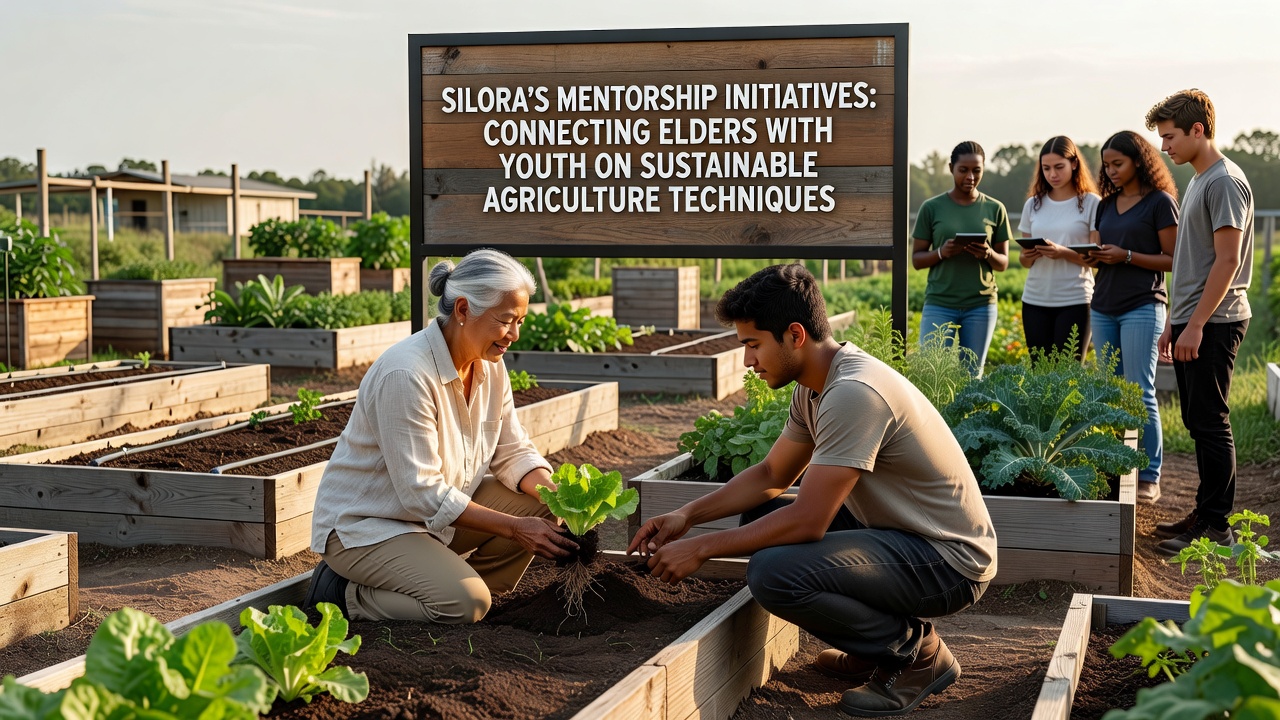
Local organizations launched the core initiative several years ago after community leaders identified a gap in knowledge transfer between generations, and the setup now operates through regular pairing sessions where elders share hands-on practices developed over decades of farming in Silora's specific soil and climate patterns. Participants meet at established community plots and demonstration fields, while structured workshops cover topics ranging from water conservation methods to integrated pest management approaches that rely on natural predators rather than chemical inputs.
Registration occurs through the Silora regional agricultural office, and pairs receive guidance on seasonal calendars that align planting cycles with local weather data collected by monitoring stations throughout the area.
Techniques Passed Between Generations
Elders demonstrate companion planting strategies that improve nutrient cycling and reduce disease pressure, and youth learn to identify beneficial insects while documenting observations in shared field journals that track changes over multiple growing seasons. Soil health assessments form another key component, with mentors explaining how to build organic matter through cover crops and minimal tillage practices that preserve structure and microbial activity.
Water management receives particular attention given periodic dry spells, and participants experiment with mulching techniques alongside drip irrigation layouts that minimize evaporation losses. These methods combine traditional observations of plant indicators with contemporary measurement tools, creating hybrid approaches suited to Silora's varied terrain.
Community Participation and Results
By mid-2026 dozens of active pairs had completed multiple cycles, and harvest records indicate improved yields on participating plots compared with control areas using conventional methods alone. Local markets report increased availability of produce grown under these guidelines, while participating youth often start small-scale enterprises that apply the same principles on family land or leased parcels.
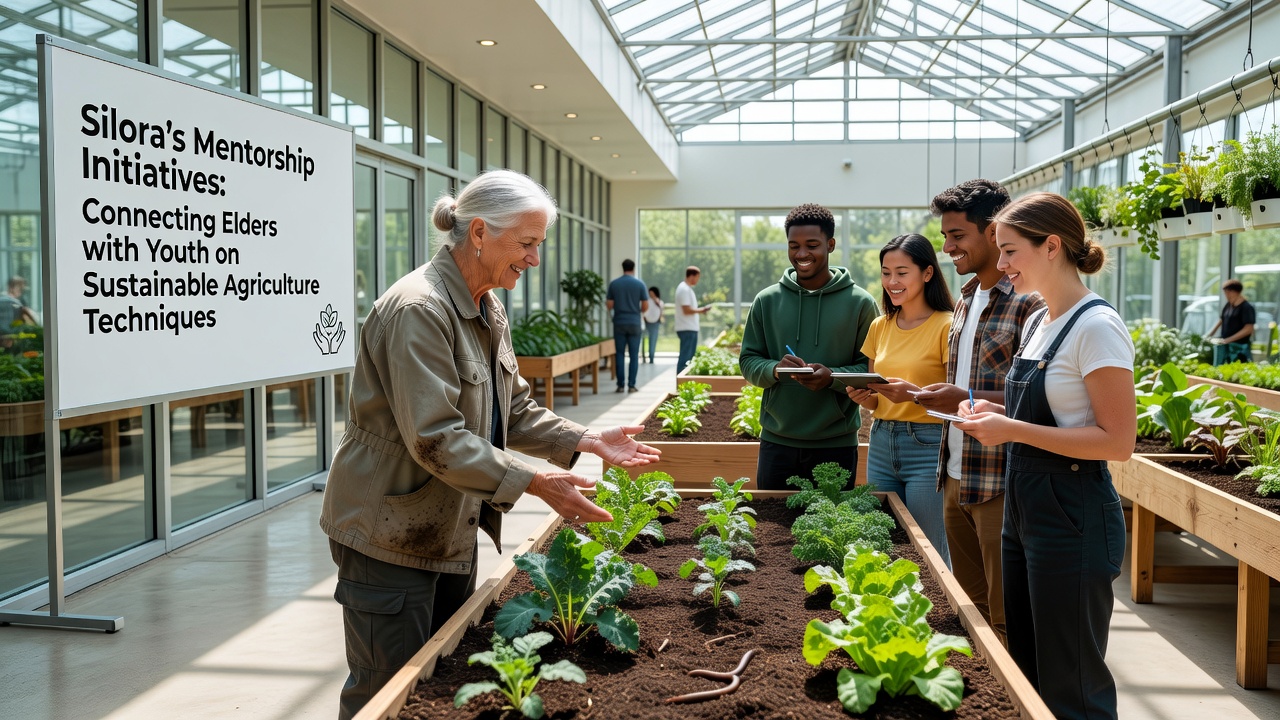
School programs have incorporated elements of the mentorship model into curriculum modules, allowing students to visit demonstration sites and apply lessons directly in school gardens. Data collected by the Silora agricultural cooperative shows reductions in synthetic fertilizer use among graduates of the program, and similar patterns appear in neighboring districts that adopted comparable pairing structures.
September 2026 Developments and Expansion
September 2026 marks the start of an expanded training phase that adds new cohorts focused on agroforestry integration and seed saving protocols adapted to local varieties, and organizers plan additional field days to accommodate increased interest from surrounding communities. Partnerships with regional research stations provide access to updated climate projections that help pairs adjust planting schedules and variety selections accordingly.
Events scheduled throughout the month include public demonstrations of composting systems and intercropping layouts, while digital resources allow remote participants to follow progress through recorded sessions and data summaries shared via the cooperative's online platform.
Broader Context and External References
Similar knowledge transfer models operate in other agricultural regions, and observers note that Silora's version benefits from strong local participation rates combined with access to both historical records and modern monitoring equipment. Reports from the Food and Agriculture Organization highlight how intergenerational programs contribute to resilience in smallholder systems worldwide, while studies conducted by Canadian agricultural researchers have documented parallel gains in soil carbon retention when elders guide younger farmers through adaptive practices.
Conclusion
Silora's mentorship initiatives continue to evolve as new participants join existing pairs and refine techniques based on ongoing field results, and the framework provides a replicable model for other communities seeking to preserve practical agricultural knowledge while addressing contemporary production challenges. Records maintained by the regional office track participation numbers and outcome metrics, offering a clear picture of how these connections shape farming practices across successive seasons.